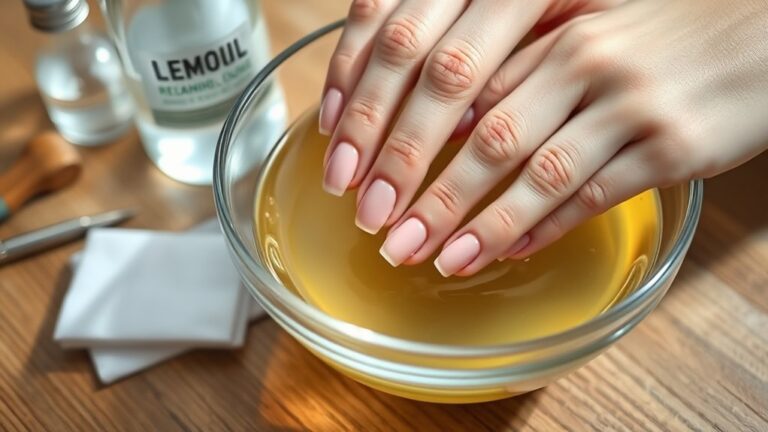
What Is Nail Primer and How to Use It?
Nail primer is a crucial product you apply to your natural nails before acrylic or gel enhancements to create a strong bond and prevent lifting or peeling. Using a nail primer helps ensure your manicure lasts longer and looks flawless.
You’ll clean your nails first, then apply a thin layer of either acid or acid-free primer, avoiding your cuticles.
Acid primers offer stronger adhesion but may cause irritation, while acid-free primers are gentler for sensitive nails.
If you want to know how to pick the right primer and use it safely, keep exploring more tips.
Understanding the differences and proper application techniques will help you achieve the best results.
Key Takeaways
- Nail primer is applied to natural nails before enhancements to improve adhesion and prevent chipping, lifting, and peeling.
- There are acid and acid-free primers; acid primers etch nails for stronger bonds, while acid-free primers are gentler and non-damaging.
- Clean and degrease nails thoroughly before applying a thin, even primer layer, avoiding contact with cuticles to prevent irritation.
- Allow acid-free primer to dry for 40-60 seconds until tacky, and let acid primer dots evaporate before proceeding.
- Use primers in well-ventilated areas, follow manufacturer instructions, and keep bottles tightly closed to avoid evaporation.
Definition and Purpose of Nail Primer
What exactly is nail primer, and why should you use it? Nail primer is a preparatory solution applied directly to your natural nail plate before applying acrylics or gels. Its main job is to create a bonding layer that helps these enhancements stick better, preventing issues like chipping, lifting, and peeling.
When you apply primer correctly, it not only improves adhesion but also ensures your manicure lasts longer while protecting your natural nail plate from damage.
Primers are specially formulated to suit different nail conditions, making them safe when used properly. While some primers slightly etch the surface of your natural nail plate to create a stronger bond, others act as a sticky layer without causing harm.
Primers are designed for various nail types, safely enhancing adhesion either by etching or providing a gentle sticky layer.
Either way, primer plays an essential role in securing your nail enhancements and maintaining the health of your natural nails. Using it is key to achieving a durable, professional-looking finish.
Types of Nail Primers
To get the best results, you’ll need to choose the right type of nail primer for your nails and the enhancements you’re applying. There are two main types of nail primers: acid primer and acid-free primer. Acid primers contain corrosive acids that etch the nail plates to provide strong adhesion, making them ideal for problematic nails that struggle with acrylic or nail polish staying put.
On the other hand, acid-free primers act as a sticky layer without etching, better suited for healthy or sensitive nails. Mild-acid primers offer a middle ground, using less harsh acids that create temporary bonds, which can be great for nails with specific needs like sensitivity or damage.
Differences Between Acid and Acid-Free Primers
How do acid and acid-free primers differ when it comes to your nail care routine? Acid primers contain corrosive chemicals that etch the nail surface, enhancing acrylic adhesion, especially if your nails are oily or problematic.
However, they can cause a burning sensation if applied near tender cuticles, so you need to be careful with placement. On the other hand, acid-free primers use a sticky, non-corrosive formula that bonds without damaging your nails. They’re gentle, scent-free, and ideal for regular, healthy nails that don’t require intense adhesion.
Choosing between acid and acid-free primers depends on your nail condition and the adhesion strength you desire. If your nails tend to be oily or difficult for acrylics to stick to, acid primers might be necessary.
But if your nails are healthy and you want a safer, milder option, acid-free primers are your best bet. Understanding these differences will help you select the right primer for a long-lasting manicure.
Step-by-Step Guide to Applying Primer
Before applying primer, you’ll need to thoroughly clean and degrease your natural nails to guarantee proper adhesion. Start by using a suitable cleaner to remove oils and residues. If you’re using an acid-free primer, apply a thin, even layer over the entire nail surface.
Thoroughly clean and degrease nails before applying a thin, even layer of acid-free primer for best adhesion.
Wait about 40 to 60 seconds for it to dry and become tacky. For acid primer, place one or two small dots on each nail and let it evaporate completely—this usually takes a few seconds. Be careful to avoid the cuticle area to prevent irritation and promote better bonding.
Once the primer is fully dry and sticky, you can proceed with applying your gel polish base or acrylic. Following these steps ensures your enhancements adhere properly and last longer.
Taking your time during primer application sets the foundation for a durable, professional-looking manicure every time.
Choosing the Right Primer for Your Nail Type
Since your nail condition directly affects the primer’s performance, choosing the right type is essential for lasting results. If you have oily, damaged, or problematic nails that tend to lift or chip, an Acid Primer is your best bet. Its etching properties create a stronger bond, especially helpful if you experience hormonal changes or excessive sweating (hyperhidrosis).
However, avoid Acid Primer if your cuticles are tender, as it can cause irritation.
On the other hand, if your nails are healthy and free from issues, an Acid-Free Primer will provide gentle adhesion without risking damage. Always assess your nails carefully before picking a primer because the wrong choice can lead to poor adhesion or even worsen nail health.
Safety Tips and Precautions When Using Primer
Although nail primer can substantially improve your manicure’s durability, you need to handle it carefully to avoid skin irritation and other issues. Always follow the manufacturer’s instructions for applying and removing primer to prevent damage. Be cautious not to get primer on your cuticles or surrounding skin, as this can cause irritation or a burning sensation.
Make sure you use primer in a well-ventilated area to minimize inhaling fumes, especially with acid-based formulas. If you’re pregnant, consult your healthcare provider before using acid primers due to potential chemical exposure. To keep your primer effective, tightly close the bottle when it’s not in use to prevent evaporation.
Frequently Asked Questions
What Does a Primer Do for Nails?
A primer helps your nail enhancements stick better by creating a strong bond with your natural nails. It prevents lifting, chipping, and peeling, making your manicure last longer.
If you have oily or problematic nails, an acid primer works by etching the surface, while acid-free primers provide a gentle sticky layer without damage.
Using primer correctly means your acrylics or gels stay secure and look great for weeks.
How Do You Apply Primer on Nails?
Did you know that 85% of nail polish chips happen due to poor adhesion? To apply primer, start by cleaning your nails thoroughly.
Then, brush a thin, even layer onto your nail surface, steering clear of your cuticles and skin.
If it’s acid-free, wait about 40-60 seconds for it to dry and feel tacky.
For acid primers, just dot a small amount and let it evaporate fully before moving on.
Do You Really Need Nail Primer?
Yes, you really need nail primer if you want your acrylic or gel nails to last longer and avoid lifting or chipping. It creates a strong bond between your natural nail and the enhancement.
If your nails are healthy, acid-free primer works fine, but if they’re oily or problematic, an acid primer is better. Skipping primer might save time, but it often leads to weaker, less durable manicures.
Is Nail Primer the Same as a Base?
No, nail primer isn’t the same as a base coat. You’ll want to use primer to create a strong bond between your natural nail and acrylics or gels, preventing lifting.
On the other hand, a base coat is mainly for protecting your nail and helping polish or gel stick better. They serve different purposes, so don’t swap one for the other if you want your manicure to last and stay healthy.
Conclusion
Now that you know what nail primer is and how to use it, you’re ready to give your manicure a strong foundation. Remember, “a stitch in time saves nine”—taking a few extra moments to apply primer properly can prevent lifting and peeling later.
Choose the right type for your nails, follow the steps carefully, and handle it safely. With this simple step, your nails will stay flawless and beautiful for much longer.
Incorporating nail primer into your routine ensures better adhesion and durability, making it an essential part of any great manicure.