Nail Primer Substitute
If you don’t have nail primer on hand, you can use nail primer substitute options from common household items like isopropyl alcohol, acetone, or even vinegar to prep your nails. These help remove oils and moisture, creating a clean surface for polish or enhancements to stick better.
Lemon juice or a cornstarch paste also works as natural alternatives to improve adhesion. Applying a good base coat after will boost results.
Keep going to uncover more simple, effective nail prep tips.
Key Takeaways
- Mix equal parts acetone and 99% isopropyl alcohol as a DIY nail dehydrator and primer substitute.
- Apply lemon juice to nails to naturally remove oils and improve polish adhesion.
- Use a cornstarch and water paste to absorb oils and create a matte nail surface.
- Vinegar acts as a natural dehydrator by removing moisture and lowering nail pH.
- Ensure nails are clean and dry before applying base coat for optimal polish longevity.
How to Make a DIY Nail Dehydrator or Primer
If you don’t have a commercial nail primer on hand, you can easily make a DIY nail dehydrator by mixing equal parts of pure acetone and 99% isopropyl alcohol. This simple solution works great for your nail prep routine, helping to improve the adhesion of gels and acrylics.
To apply, use a small, disposable brush to coat each nail with the mixture. Make sure each layer fully evaporates before moving on to the next step. The acetone dissolves surface oils and moisture, while the alcohol disinfects and further dehydrates the nail surface, ensuring your nails are perfectly prepped.
Store this homemade nail dehydrator in an airtight container compatible with acetone to maintain its effectiveness. Always confirm your nails are dry before applying any nail enhancements. This DIY method is a handy and effective alternative for nail prep, especially when you’re out of commercial primers.
How Alcohol Works as a Nail Primer and Dehydrator
When you use a mixture of acetone and isopropyl alcohol as a nail dehydrator, you’re relying on alcohol’s ability to remove oils and contaminants from your nail plate. This step is vital because a clean surface ensures better adhesion, acting much like a nail primer. Isopropyl alcohol, especially at high purity, effectively eliminates surface oils and disinfects by killing bacteria and fungi, reducing infection risks and preventing lifting.
It also minimizes residual moisture, which can weaken nail enhancements. Since alcohol evaporates quickly, it thoroughly dries your nails, prepping them perfectly for the next step. Additionally, alcohol temporarily changes your nail’s pH, improving the bond of gels or acrylics by enhancing adhesion.
Using alcohol as a nail primer substitute can save you time and money while still providing a clean, dry surface that promotes stronger, longer-lasting nail applications.
How Acetone Works as a Nail Primer and Dehydrator
When you use acetone on your nails, it quickly removes oils and surface residues that can block adhesion.
It also evaporates fast, drying out moisture to create the perfect base for polish or enhancements.
This combination helps your nail products stick better and last longer without lifting or chipping.
Oil Removal Mechanism
Because acetone evaporates quickly, it effectively removes surface oils and moisture from your nails, making certain better adhesion for polish or enhancements. The oil removal mechanism involves acetone’s strong solvent properties dissolving and stripping away oily residues on the nail plate.
This leaves your nails clean and dehydrated, essential for bonding gel or acrylic products.
| Step | Effect on Nail Plate |
|---|---|
| Application of Acetone | Dissolves surface oils and residues |
| Solvent Action | Breaks down oily sediments |
| Evaporation | Removes moisture and contaminants |
| Final State | Clean, oil-free nail plate ready for adhesion |
Using acetone as a primer substitute ensures no residual oils remain, improving polish durability and enhancement longevity.
Moisture Evaporation Effect
Although acetone is commonly known as a remover, it also works effectively as a nail primer and dehydrator by quickly evaporating to strip away moisture from your nail plate. This moisture evaporation effect is vital because acetone dissolves surface oils and removes residual water, leaving your nails dry and oil-free.
When acetone evaporates rapidly, it strips moisture trapped within the nail’s surface layers, preparing an ideal base for nail products. This dehydration reduces lifting and chipping of gel or acrylic nails, making your manicure last longer.
Thanks to acetone’s fast evaporation rate, you get a clean, moisture-free surface every time, which is essential for durability. Using acetone harnesses this moisture evaporation effect to guarantee your nails stay primed and ready for application.
Adhesion Improvement Process
Acetone doesn’t just remove moisture; it also improves how well your nail products stick by dissolving oils and residues on the nail plate. This creates a perfectly clean surface, essential when using nail polish, Gel Nails, or as a Substitute For Nail Primer.
In professional nail care, a small amount of acetone acts like nail primers, ensuring the Base Coat adheres strongly and prevents lifting or chipping. Unlike Isopropyl Alcohol, acetone evaporates quickly, leaving no residue that could weaken the bond.
For Nail Repair or to protect your nails, applying acetone before treatments guarantees Nail’s Best results. Just make sure it fully evaporates before proceeding, so your enhancements last longer and stay flawless throughout wear.
A Vinegar Twist for Nail Perfection
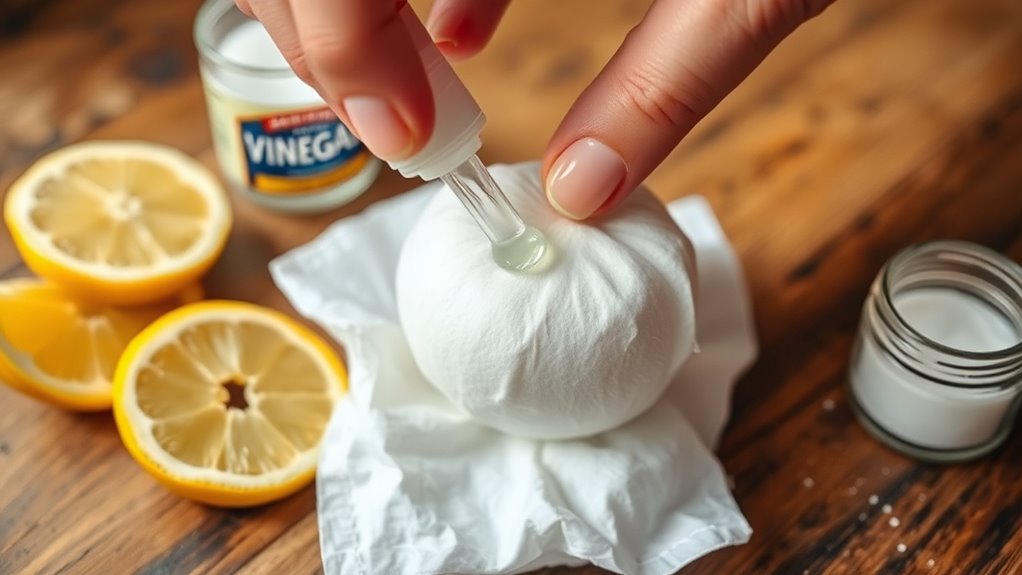
You can use white vinegar as a simple, budget-friendly nail primer thanks to its natural acidity. It helps remove oils and moisture, creating a clean surface that improves polish adhesion.
This easy step can make your manicure last longer without needing expensive products.
Vinegar’s Acidic Benefits
When prepping your nails, a splash of white vinegar can work wonders thanks to its acetic acid content. This acid dehydrates the nail surface, effectively removing oils that might block polish adhesion. By lowering the pH of your nail plate, vinegar creates a better grip for nail products, reducing the chance of lifting or chipping.
As it dries, vinegar leaves a slightly matte finish, which helps your manicure last longer. Plus, vinegar is an inexpensive, natural alternative to commercial nail primers, making it a smart choice for anyone looking to improve polish adhesion without extra cost. Using vinegar before applying polish or extensions guarantees a clean, receptive surface, setting the stage for flawless, lasting results.
Enhancing Polish Adhesion
Although many rely on commercial primers, a simple splash of white vinegar can substantially boost polish adhesion by creating an acidic, oil-free surface on your nails. The acetic acid breaks down oils and residue, dehydrating the nail surface to form a matte base that grips polish better.
This natural step reduces lifting and extends manicure longevity without extra cost.
| Step | Effect on Nails | Result |
|---|---|---|
| Vinegar splash | Removes surface oils | Cleaner base |
| Acidic pH | Dehydrates nail surface | Improved polish grip |
| Drying effect | Forms matte texture | Stronger bond |
| Natural primer | Cost-effective solution | Long-lasting manicure |
Using vinegar this way, you prep nails efficiently for flawless polish adhesion.
Economical Nail Prep
Since commercial nail primers can be pricey and sometimes hard to find, a simple splash of white vinegar offers a budget-friendly way to prep your nails effectively. Vinegar’s natural acidity helps dehydrate the nail surface by breaking down oils and moisture that can interfere with polish or extension adhesion.
When you apply vinegar, it creates a slightly acidic environment that improves the bond strength of gels and acrylics, ensuring your manicure lasts longer. Just make sure to let the vinegar dry completely before moving on to polish or nail enhancements.
Using household vinegar as an economical nail prep not only saves money but also provides a clean, oil-free surface, making it a smart and accessible alternative to commercial primers for flawless nail perfection.
Using Lemons and Cornstarch as Nail Prep Alternatives
How can you prep your nails for polish without buying specialized products? Try using lemons and cornstarch as natural, budget-friendly alternatives. Lemons contain citric acid, which helps break down and remove surface oils and moisture on your nails.
Simply rub lemon wedges directly on your nails to effectively dehydrate them, improving polish adhesion. After that, mix a small amount of cornstarch with water to create a matte paste. Apply this mixture to your nails to absorb any leftover oils and reduce shine, giving you a clean, dry surface for your polish.
Both lemons and cornstarch are inexpensive and easy to find, making them perfect substitutes for commercial nail primers and dehydrators. Using these household items helps your manicure last longer by ensuring your nails are properly prepped.
The Role of Base Coats and Dehydrators in Nail Adhesion
When you want your nail polish or extensions to last, using both a base coat and a dehydrator is vital. These two products work together to create the perfect surface for adhesion, preventing lifting and chipping.
For lasting nail polish or extensions, always use a base coat and dehydrator to ensure perfect adhesion.
A base coat smooths the nail surface and contains bonding agents that chemically bond with both your nail plate and polish. Meanwhile, a dehydrator removes excess moisture and oils that can interfere with adhesion.
Here’s why you shouldn’t skip either step:
- Improves Bonding: Base coats create a sticky, even surface that helps polish or extensions grip better.
- Prevents Lifting: Dehydrators ensure your nails are dry and oil-free, which is essential for long-lasting adhesion.
- Increases Durability: Using both reduces chipping and extends the life of your manicure or enhancements.
Frequently Asked Questions
What Can I Use for a Nail Primer?
You can use isopropyl alcohol or rubbing alcohol as a nail primer since it disinfects and removes oils. Acetone works too if you let it fully evaporate, prepping your nails for polish. White vinegar is another option because its acidity helps dehydrate the nail surface.
You might also try a mix of lemon juice and cornstarch for a natural alternative. These won’t be as strong as commercial primers but work well in a pinch.
What Can I Replace Primer With?
You might think you need fancy products, but you can actually replace primer with simple household items. Try rubbing your nails with isopropyl alcohol or acetone to remove oils and improve polish grip. Even lemon wedges or vinegar work wonders by dehydrating and cleaning your nails.
If you want a DIY trick, mix cornstarch and water for a matte, oil-absorbing layer. You’ll be surprised how well these natural alternatives work!
What Can I Use Instead of Gel Primer?
You can use rubbing alcohol or 99% isopropyl alcohol instead of gel primer to clean and dehydrate your nails. White vinegar works too, thanks to its acidity that helps with adhesion. Another option is a mix of lemon juice and cornstarch to absorb oils naturally.
Just make sure your nails are thoroughly cleaned and dehydrated with acetone before applying gel polish for better bonding, even if these substitutes aren’t as strong as professional primers.
Is a Nail Primer Necessary?
Yes, a nail primer is necessary if you want your gel or acrylic nails to last longer without lifting or chipping. While you can skip it, you’ll likely experience more issues with adhesion.
Primers help create a strong bond between your natural nails and enhancements, making your manicure more durable.
Conclusion
Think of your nails as a fresh canvas—prepping them right is like laying down the perfect primer before painting a masterpiece. Whether you reach for alcohol, acetone, vinegar, or even a lemon and cornstarch mix, these DIY substitutes help your polish stick better and last longer.
By understanding these simple alternatives, you’ll keep your nails looking flawless without the hassle. So go ahead, give your nails the prep they deserve and watch your manicure shine with the perfect nail primer substitute!